
When Google commits to a supplier, the stock re-rates
Google's chip deal sent Marvell soaring. Here's why a single big buyer re-rates a whole supplier, and what the warrant's fine print really means.
By the Deriv desk · 20 August 2026 · 3 min read

When a single large buyer commits to a supplier, the market re-prices the supplier's entire future, not just the new order. That is what happened when Google took a multi-billion-dollar warrant in Marvell Technology tied to a deepening custom-chip partnership. Marvell's stock jumped sharply. The size of the move had little to do with today's sales and everything to do with years of orders the deal implies.
Why a design win re-rates the whole business
A component supplier lives on its customer list. Land one anchor buyer and the outlook shifts from hopeful to visible. Investors stop pricing this quarter's revenue and start pricing a committed stream of orders stretching years out.
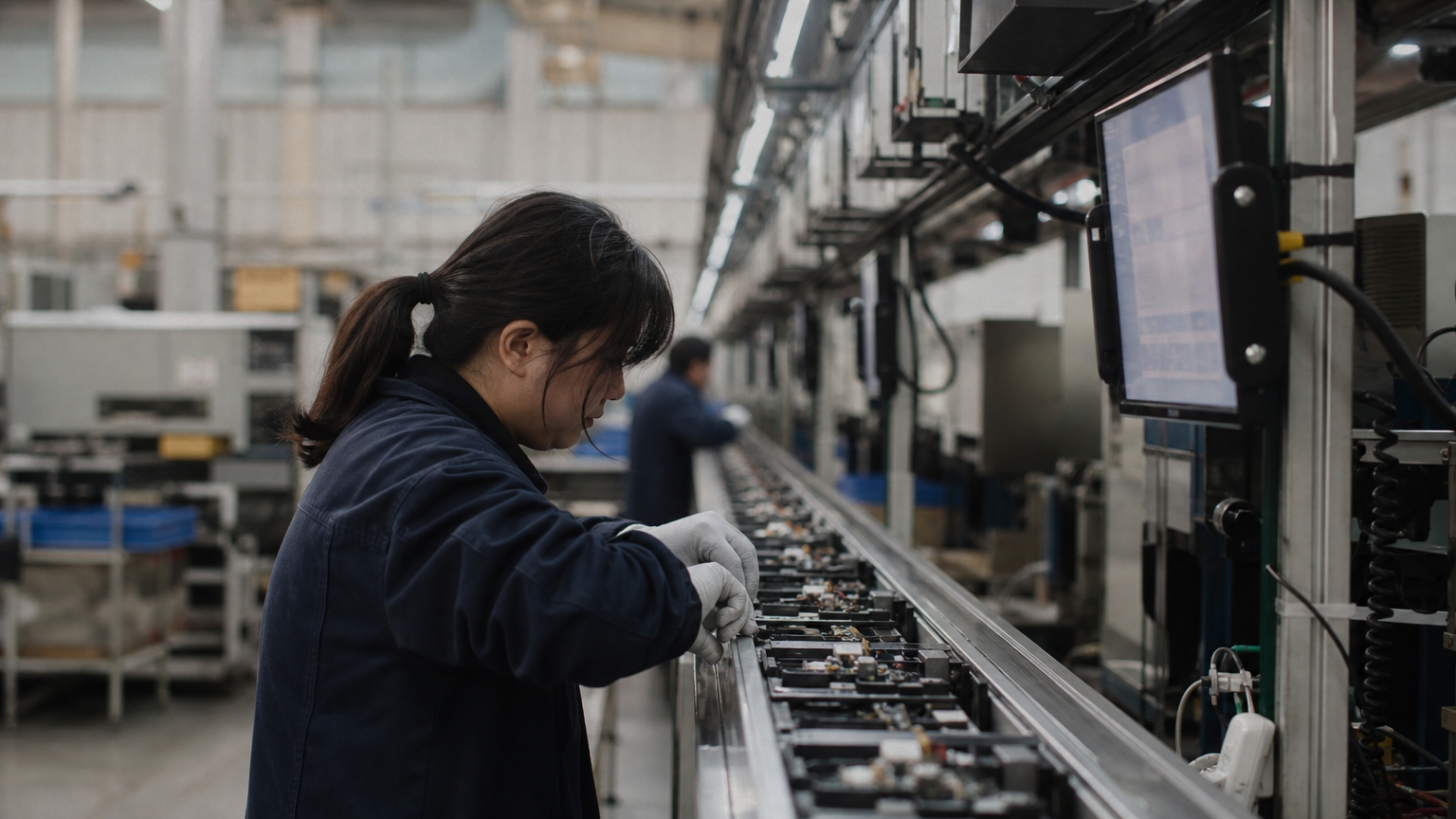
The market buys the order stream, not the single order. A deal that promises repeat purchases through 2033 changes the whole shape of a supplier's forecast. That is why the stock can move far more than any one contract would justify on its own.
The Nvidia and Broadcom template
This pattern is familiar in AI hardware. From 2023, Nvidia re-rated massively as Microsoft, Meta and Google concentrated GPU orders in its chips. The market was pricing years of hyperscaler capital spending, not one delivery.
Broadcom built the same kind of pillar with Google on custom silicon. The two-sided nature showed up fast: Broadcom fell on the Marvell news, because a rival gaining share with the same buyer threatens its own stream.
The knife cuts both ways
Anchor-customer dependence is a strength and a risk in the same breath. Apple suppliers rally hard on a design win. The same names sell off when Apple trims orders or brings in a second source.
Concentration lifts a stock on the way up and drags it on the way down. Marvell now leans more heavily on one buyer. If that buyer slows spending, dual-sources, or brings work in-house, the upside thins quickly.
Read the vesting, not the headline figure
The bull read treats the warrant as a guaranteed windfall. It is not. Most of it only vests if Google hits large custom-chip revenue increments through fiscal 2033.
So the headline figure is a ceiling, contingent on years of future purchasing. It is a target, not cash in hand. The warrant also dilutes existing shareholders if exercised, which is a real cost against the promised gain.
What to watch next
The evidence leans bullish on the near-term signal: a large buyer committing is a genuine vote of confidence. But the durable read depends on execution.
- Whether Google actually reaches the revenue milestones that trigger vesting.
- Broadcom's response and any sign of Google shifting silicon share between suppliers.
- AI capital-spending guidance from Alphabet, Microsoft, Meta and Amazon, which underpins the whole order stream.
- Any move by Google to bring more chip design in-house.
A supplier's future is written by its customers. When one big buyer commits, read the terms and the concentration, not just the headline figure.
Frequently asked questions
A warrant gives the holder the right to buy shares at a fixed price within a set period. In a customer deal, the buyer often earns the warrant only by hitting purchase or revenue targets, tying the payout to future orders rather than an upfront payment.
Broadcom supplies custom silicon to the same buyer. A rival winning or deepening share with that customer threatens Broadcom's own future order stream, so the market marked it down while lifting the supplier gaining ground.
Both. A committed anchor customer gives visible, repeat revenue that can re-rate a stock upward. The same dependence means the stock can fall sharply if that buyer cuts orders, adds a second supplier, or brings work in-house.
If a warrant is exercised, new shares are issued, spreading ownership and earnings across more shares. That dilution is a real cost to current shareholders and should be weighed against the revenue the deal is expected to bring.