
When a raised price target becomes a trap
A higher analyst target is not a green light. It raises the expectation the company has to beat, and a good-but-not-great report can still sink the stock.
By the Deriv desk · 20 July 2026 · 4 min read

A higher analyst target is not a green light. It raises the expectation the company has to beat, and a good-but-not-great report can still sink the stock.
Bank of America reiterated its Buy on Alphabet and lifted its price target ahead of Q2 2026 earnings, due around July 22. Berkshire Hathaway's Greg Abel built a large stake too. When a big bank and Buffett's team lean the same way, it feels like confirmation. It is also a trap worth understanding.
What an analyst price target actually is
A price target is a published expectation, not a promise. It says where an analyst thinks the stock is worth on their model. It does not tell you where the price will go.

The number that moves a stock on earnings day is the gap between expectation and reality. Beat the expectation and buyers get paid. Miss it, even with solid numbers, and the stock can fall. The target is the bar, not the outcome.
Why a raised target makes the report harder, not easier
Raise the target and you raise the bar. Alphabet now has to clear a higher line to reward the people who bought on the upgrade.
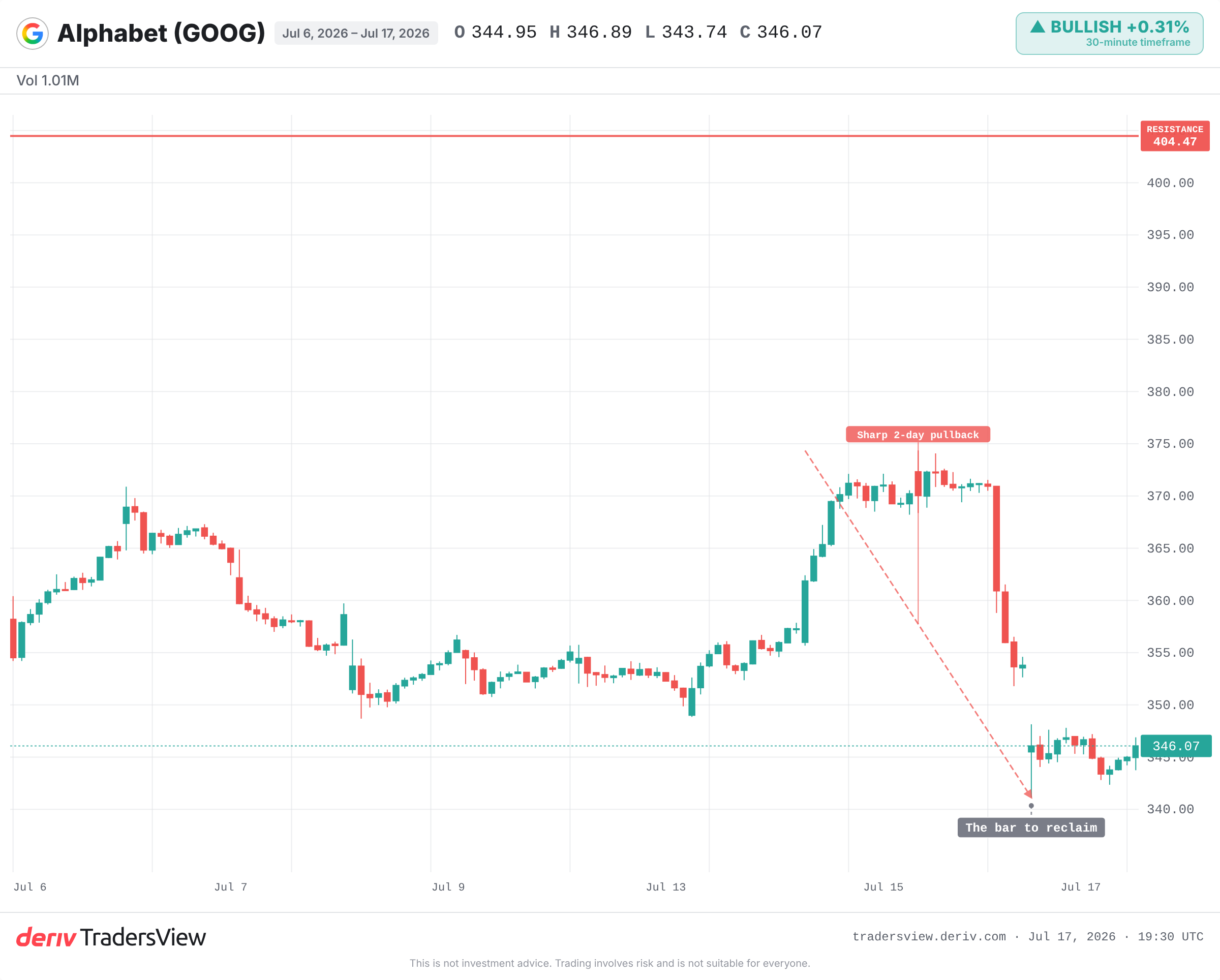
This is the classic "sell the news" reaction. A company reports figures that meet consensus, but not the elevated whisper number the run-up built in. The report is good. The stock drops anyway, because good was already priced in.
Alphabet has form here. In prior AI-era prints, beats on cloud and search reassured the market, while any wobble in AI monetisation or capital-spending commentary drove outsized swings. The direction on the day came from the surprise, not the headline profit.
The trap of bullish convergence
When the most closely watched names all agree, ask a plain question: who is left to buy?
A raised target is a lagging endorsement. It crowds bullish positioning into the print. Once the optimists are already in, the report has to over-deliver to find new buyers. An already-primed market is easy to disappoint.
There is real execution risk the target does not capture. Reports point to a Gemini model delay that frustrated internal teams, plus a high-profile departure to an AI startup. A price target models the good case. It does not price the stumble.
What to watch into the print
The evidence leans towards treating the upgrade as an expectation you are trading against, not a forecast. The bar is higher now, so the read is about the surprise versus that bar.
- Search and AI Overviews commentary: is traffic and monetisation holding up?
- Cloud growth rate and the tone on AI capital spending.
- The all-time high near $404.47 as overhead resistance. As of the latest read the stock sits well below it.
- Any fresh Gemini delay news or further key departures.
The bearish case wins if the report shows slowing search growth, rising AI spend without clear payback, or cautious guidance. The bullish case wins only if the numbers clear the raised bar with room to spare. Either way, watch the gap, not the target.
Frequently asked questions
It usually means the good result was already expected and priced in. Buyers who piled in on the run-up take profit once the news confirms, so the stock can fall even on solid numbers. This is often called a 'sell the news' reaction.
A price target is one analyst's estimate of fair value on their model, not a prediction of where the stock will trade. Treat it as an expectation you are measuring results against, and check what assumptions it relies on.
Heavy spending on AI infrastructure hits margins now, while the revenue payback comes later. Markets watch whether that spend is turning into clear monetisation. Rising costs without a visible return often worry investors more than the raw profit figure.
It is the unofficial expectation the market builds in above published consensus, often after upgrades and optimistic commentary. A company can beat the official estimate yet miss the whisper number, which is one reason a beat sometimes still sends a stock lower.