
Two oil chokepoints hit at once and why the spike may fade
Oil is not reacting to barrels already lost. It is pricing the fear of barrels that might be lost. With Houthi attacks on Saudi Aramco sites and a
By the Deriv desk · 29 July 2026 · 4 min read

Oil is not reacting to barrels already lost. It is pricing the fear of barrels that might be lost. With Houthi attacks on Saudi Aramco sites and a declared Bab al-Mandab blockade stacking on top of low Strait of Hormuz transit, crude carries a risk premium, not a supply gap. That difference is the whole story.
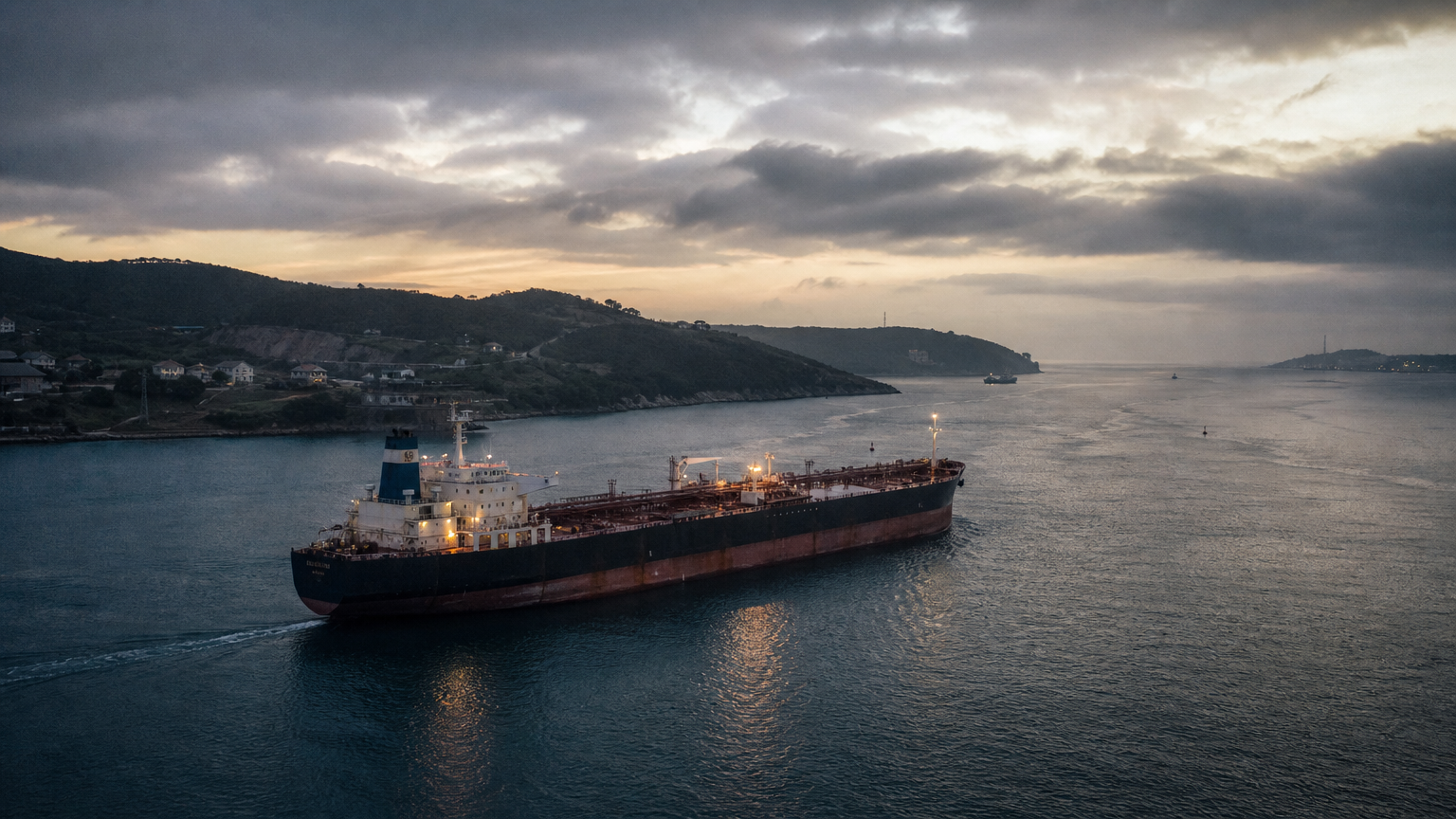
Why oil jumps on fear, not lost barrels
A chokepoint scare works on imagination first. Traders see a route threatened and price the worst case before any barrel goes missing. That is the risk premium: payment for a disruption that has not happened yet.
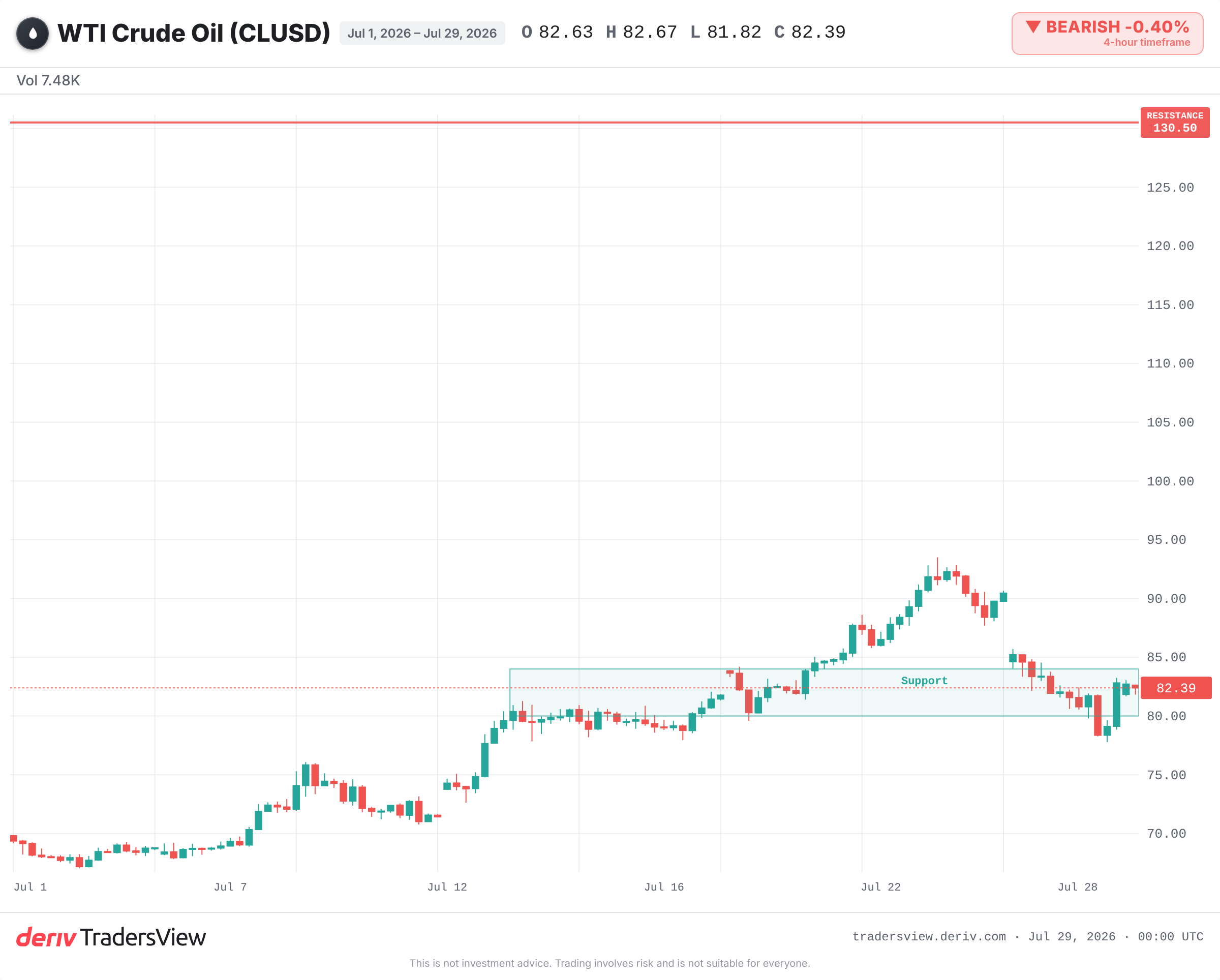
The size and durability of the move depend on two things: how many alternative routes remain, and how credible the threat is. As of the live feed, WLDOIL trades in the low $80s, well below its 2022 crisis high. The market is nervous, not panicked. It is pricing possibility, not loss.
Not all chokepoints are equal
The headlines blur this. Bab al-Mandab and the Strait of Hormuz are both chokepoints, but they do very different jobs.
Ships can avoid Bab al-Mandab. The detour around the Cape of Good Hope more than doubles voyage time and lifts freight and insurance costs. Painful, but the oil still arrives. War-risk premiums for southern Red Sea voyages have jumped sharply, a real signal of stress. Yet raising the cost of a route is not the same as removing supply.
Hormuz is the one with no full alternative. Roughly a fifth of the world's oil passes through it, and there is no detour that replaces that volume. A genuine Hormuz closure is a supply shock. A Bab al-Mandab blockade, so far, is a cost shock.
What history says about fading an oil spike
The pattern repeats. In 2019, drone and missile strikes on Saudi Arabia's Abqaiq facility knocked out about half of Saudi output overnight, near 5% of global supply. Oil posted its largest single-day jump in decades. Within weeks it gave back most of the gains, because Saudi Arabia restored output faster than feared.
The Red Sea attacks from late 2023 tell the same story from the other side. Carriers rerouted, freight and insurance costs stayed high for months, but crude barely moved. Barrels kept reaching market on longer routes.
And in 2022, the feared loss of Russian oil drove Brent towards a cycle high, then prices trended lower for a year as Russian crude found new buyers. Supply-fear spikes fade when supply proves resilient.
When to respect the spike instead
The fade case is not a free pass. It holds only while the threat stays a threat. The evidence leans towards this being a risk premium that unwinds, but the tail risk is real.
The move deserves respect, not a fade, if any of these turn from noise into fact:
- A confirmed hit to Saudi Aramco production capacity, not just attacks on non-critical sites.
- The Bab al-Mandab blockade actually halting transit rather than only lifting insurance costs.
- Any credible threat to Strait of Hormuz transit, the one route with no substitute.
Watch tanker war-risk premiums and OPEC+ spare capacity too. Rising premiums signal stress even while ships keep sailing. A signal from OPEC+ to release barrels would tell you the risk premium is being defused.
The read
Two chokepoints in the news look like double the danger. On the evidence, they are two different problems: a costlier route and a threatened but still-open one. Price the risk premium for what it is, and know which chokepoint would turn a scare into a shock. Oil markets are volatile, and a single confirmed disruption can rewrite the picture fast.
Frequently asked questions
Roughly a fifth of global oil transits the Strait of Hormuz, and there is no route that fully replaces that volume. That is why a genuine Hormuz closure would be a far bigger event than a Bab al-Mandab blockade.
It is the extra price traders pay for the chance of a future supply disruption, before any barrels are actually lost. When flows keep moving, that premium often unwinds and prices ease back.
It raises freight and insurance costs and more than doubles voyage times, but the crude still reaches market. Historically that lifts shipping costs more than the oil price itself.
A confirmed loss of production capacity, a route being physically closed with no alternative, or a credible threat to the Strait of Hormuz. Those remove barrels rather than just raising the cost to move them.