
Analysts say buy. So why is the stock at record lows?
SPCX stock sits near its low while analysts publish high targets. Lockup expiries explain the gap: a high price is not cash until insiders can sell.
By the Deriv desk · 14 July 2026 · 3 min read

A soaring share price is only paper wealth until someone can actually sell it. When insiders are still locked out, the market prices in the selling that is coming, not the business today.
SpaceX's newly public stock sits near its all-time low, even as analysts publish price targets far above the current level. The gap looks strange until you separate two different stories: the business story and the supply-of-shares story. Right now, the second one is winning.
Why a stock can fall while the business improves
The business news has been good. SpaceX won FAA clearance for its next Starship test flight, and Starlink keeps growing. Yet the stock trades barely above its record low, as of the latest read.

The reason is timing. Employee lockup expirations begin in July 2026. A lockup is a rule that bars insiders and staff from selling their shares for a set period after listing. Until it lifts, their gains exist only on screen.
The market does not wait for the selling to arrive. It prices in the coming supply of shares now. That is why a known future event drags on the price today, well before a single insider clicks sell.
Paper rich, cash poor: the trap behind a high price
This is the part that catches people out. A headline price makes a stake look valuable. But if you cannot sell, that value is not banked. It can shrink before you ever touch it.
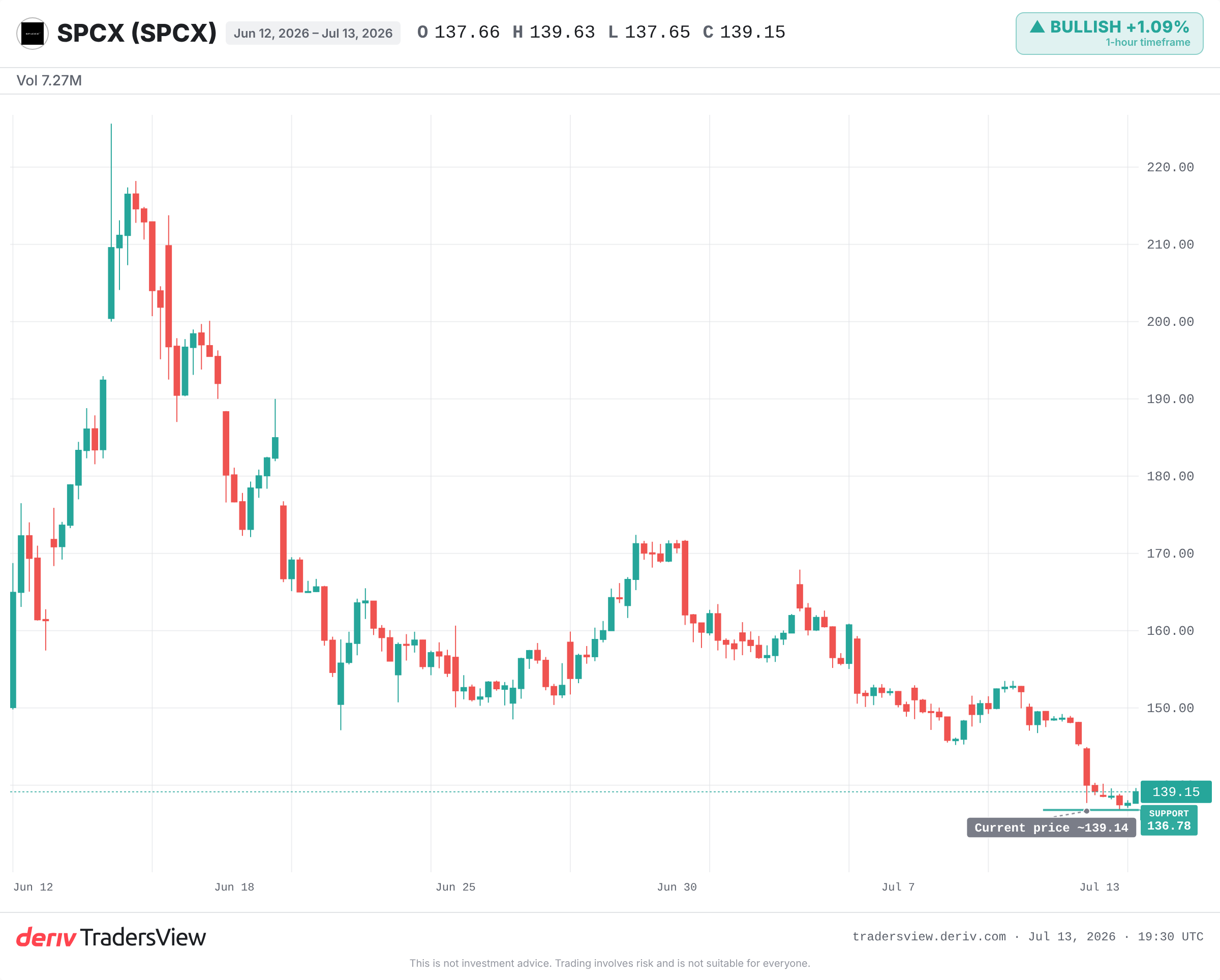
SpaceX opened its trading life far higher, spiked, then fell back towards its floor. Anyone holding locked shares watched paper wealth swell and fade without being able to act. The mechanics of who can sell, and when, decided the real value of their stake more than any earnings figure.
Does a lockup expiry always crush a stock?
Not always, and this is where the bearish read can be overplayed. Expiry dates are known in advance, so markets tend to front-run them. By the time the shares actually unlock, much of the selling may already be in the price.
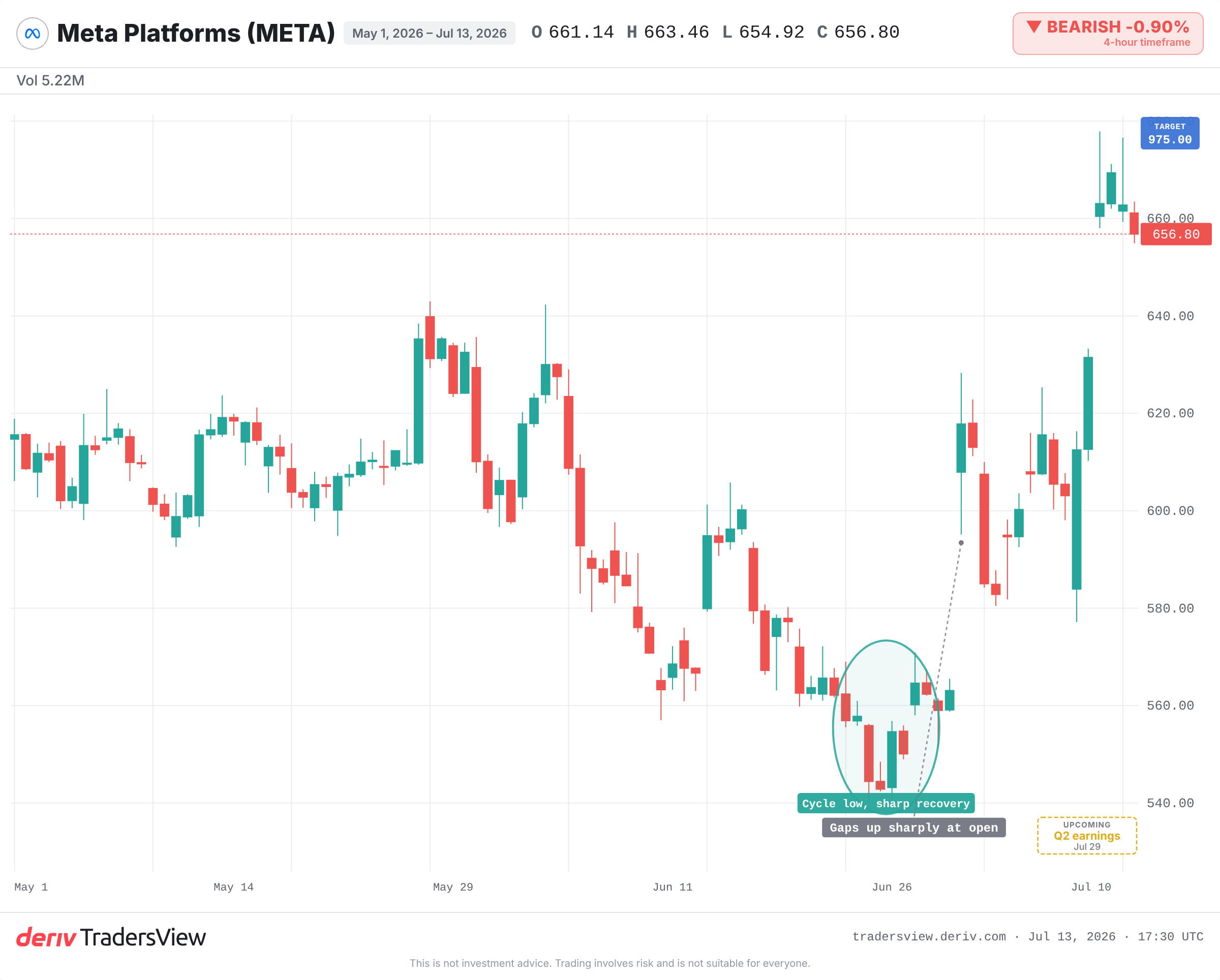
The history is mixed. When Facebook listed in 2012, a run of lockup expirations released hundreds of millions of shares and the stock sank into the high teens. It bottomed around September that year, then recovered well above its IPO price as mobile advertising proved out.
Uber told a similar story in late 2019. Its lockup freed roughly 1.7 billion shares and the stock hit record lows around the event. The anticipated flood was partly priced in already, and shares later stabilised.
The pattern is not doom, it is pressure that markets often absorb. Some SpaceX tranches are also price-triggered, meaning they only unlock if the stock is already high, which dampens the flood at low prices.
What to watch as the overhang plays out
The evidence leans cautious for now: the supply story is dominating a strong business story, and that tends to persist until the unlock dates pass. But the setup could flip if long-term holders and index demand soak up the new shares.
- The all-time-low level as support. A decisive break below it suggests the overhang is winning.
- Actual insider selling volume at each expiry, measured against what was already priced in.
- The size and schedule of each tranche, and whether it is price-triggered.
- Starship flight outcomes and Starlink milestones as the offsetting bull case.
The lesson outlasts this one stock. When analyst targets and the live price disagree this sharply, check whether a supply-of-shares story is doing the talking. Trading carries risk, and a known calendar can move a price more than any forecast.
Frequently asked questions
It is a rule that stops company insiders and employees from selling their shares for a set time after a listing, often six months. Until it expires, their holdings cannot be turned into cash.
It means a batch of shares only unlocks if the stock reaches a certain price. If the price stays low, those shares stay locked, which limits how much supply hits the market at weak levels.
Targets reflect a view of the business over time, while the live price reflects everything traders are pricing in now, including near-term supply of shares. A large gap often means a technical factor, like lockups, is dominating.
No. Insiders sell for many reasons, including diversifying or simply accessing gains after a lockup lifts. Scheduled selling tied to a known expiry is routine, not a signal about the company's health.